Salesforce’s Long-Running Agents Need to Know When the Plan Has Changed
Hunter promises continuity across days and weeks. The useful test is whether work resumes under today’s instructions, with yesterday’s preparation still intact.
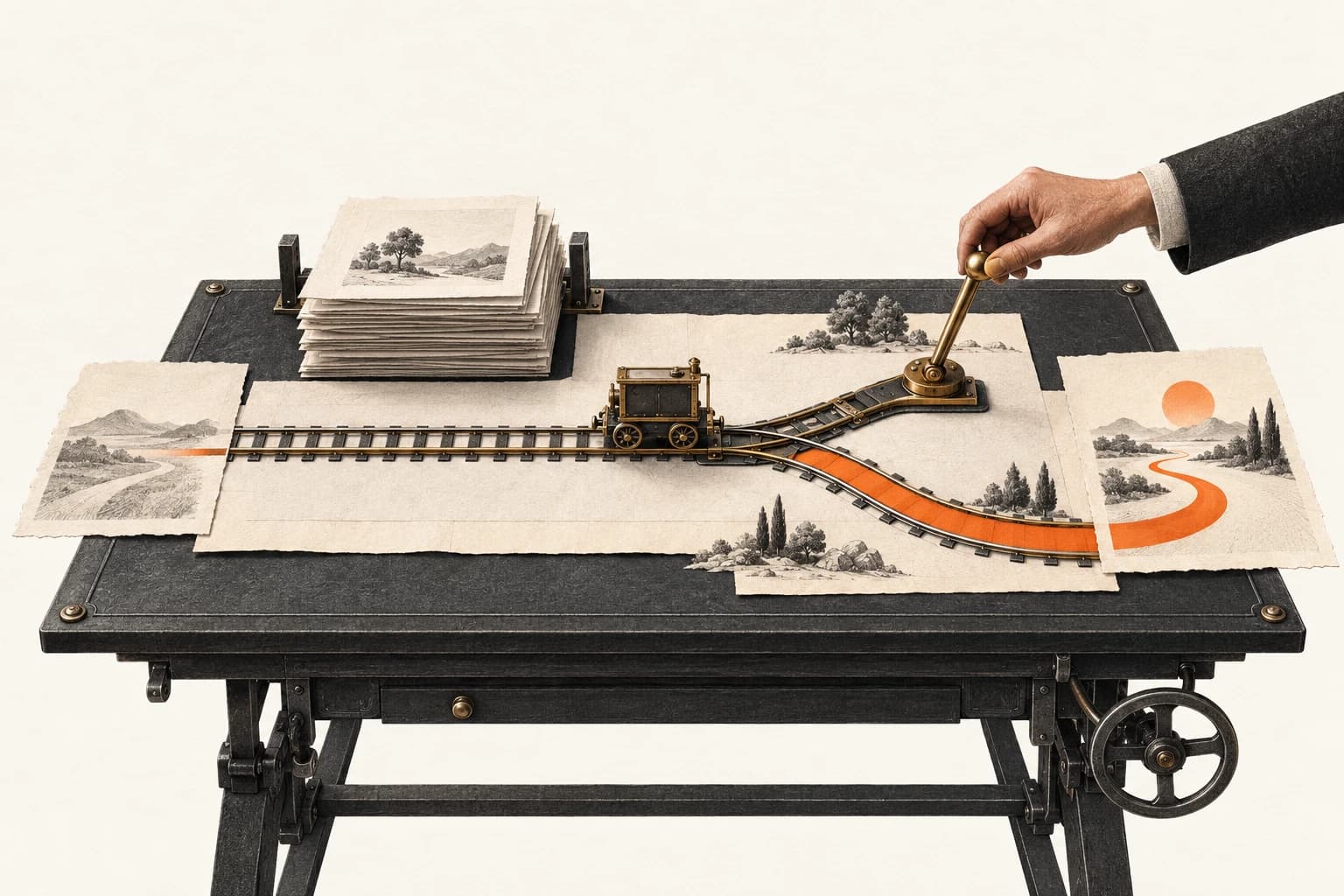
A sales assistant that remembers Monday’s plan on Friday sounds useful. It becomes less useful if Wednesday’s conversation made the plan wrong. Salesforce’s September 11 Agentforce announcement makes that distinction practical: its new runtime, the software that keeps agents working, is designed for goals pursued across days and weeks. The engineering prize is continuity without making yesterday’s instructions harder to escape.
That is the standard I would apply to Hunter, Salesforce’s outbound sales agent and the first agent on the new runtime. Hunter remains in pilot, with general availability planned for November. A system that can keep going may remove the repeated setup that makes automation tedious. But persistence earns its value when the agent can tell what should continue, what has changed and what should stop.
Remembering is only the first part
Salesforce describes three capabilities: memory across sessions, execution that can resume or change course, and behavior that adapts to a user’s direction. The announcement places them alongside a wider portfolio of agents, six of which it lists as generally available. That does not mean the entire portfolio already uses the new runtime. Salesforce says more agents will move onto it over time.
The distinction matters because a collection of available products can make an emerging capability feel broadly established. An organization considering a specific workflow needs to know which combination it can actually use. The promise of a common platform is attractive, but the rollout still has stages. Hunter’s pilot is the relevant setting for judging this particular change, rather than the availability of every agent named beside it.
CellCog founder Nitish Garg’s separate commentary also distinguishes the available agents from Hunter’s pilot and frames the direction as movement toward an AI employee. CellCog sells its own AI employee product, so that interpretation comes with a commercial interest. For a builder, the employment metaphor is less useful than the handoff: what information and authority survive when an unfinished task starts running again?
Consider a hypothetical sales workflow. On Monday, a person asks an assistant to prepare follow-ups for several prospects. On Tuesday, one prospect declines further contact and another changes the scope of the discussion. On Wednesday, the person revises the offer. When the assistant resumes on Thursday, simply recovering Monday’s task list would preserve the wrong thing. Useful memory must help the workflow account for the intervening changes.
A saved plan is not a current instruction
This is where continuity can save real work. The assistant could retain the research already completed, the drafts still worth using and the questions that remain unanswered. A person should not need to reconstruct all of that whenever the task pauses. The case for persistence is strongest when it preserves useful preparation while allowing the next action to be reconsidered under the current circumstances.
In the example, the declined prospect should drop out of the proposed outreach, while the changed offer should affect any remaining drafts. Those are acceptance criteria for the hypothetical workflow, not failures observed in Hunter. They explain why remembering more material is an incomplete objective. The workflow needs a reliable way to distinguish historical context from the instructions governing what happens next.
Salesforce says its agents operate within customer rules and permissions, and describes seller approval as part of Hunter’s planned work. Those statements establish the intended design. Agentive has not tested the pilot. The useful demonstration would show a person changing direction during a task, then make it possible to inspect which pending actions changed as a result. A reassuring acknowledgment in the conversation would not be enough.
An interruption creates another revealing case. Suppose the hypothetical assistant prepared an update to a customer record, then lost contact before confirming whether the update succeeded. Restarting from the last remembered step could repeat work; skipping ahead could leave work unfinished. The demonstration should establish what happened in the destination system. Recovery is valuable because it resolves uncertainty about the work, not merely because the agent starts responding again.
The right amount of supervision
There is a serious objection to making every resumption an elaborate approval exercise. If a person must reread the whole history and authorize every small step, the assistant may simply relocate the administrative burden. A dependable workflow should make ordinary continuation cheap. The more useful design concentrates attention on changed circumstances, unresolved outcomes and actions whose consequences justify a fresh decision.
A short resumption note could do that well in our example: which prospects remain in scope, which drafts changed and which proposed action needs a decision. It should help the person check the important differences without reviewing a transcript. That is a design possibility, not a feature I am claiming Hunter already provides. Its value would come from reducing the effort needed to stay meaningfully in control.
The pilot therefore offers a better opportunity than a contest over how long an agent can remain busy. Teams can examine whether useful preparation survives an interruption, whether revised instructions alter pending work and whether uncertain actions are resolved correctly. Passing those cases would strengthen the argument for greater independence. Failing them would identify the specific work still needed before entrusting the system with a longer assignment.
Salesforce has identified a worthwhile problem: business work often outlasts a single conversation. The strongest version of its solution would let a person leave a task and return to progress they can understand, redirect and trust. That is more demanding than keeping a plan alive. A long-running agent should preserve the work worth keeping while making an obsolete plan easy to abandon.